
The Internet of Things is a term which alludes to the physical objects connecting within the technological universe. The Internet of Things is a global phenomenon and can be used for any sort of thing that has been created from water bottles to tissue boxes. Discussing the past, present, and future implications of the Internet of Things, will help indicate to the importance of this sensation and how it will continue to be crucial not just in life but the technological realm of data and information.
The Internet of Things was invented in 1999 by Kevin Ashton. Ashton wanted to attract people with new technology, and so, the term ‘Internet of Things’ was born. This history was to discuss whether to add things to the Internet or make the world more suitable to things. The history and the present combine as every object have a digital history which makes for logistics to be far more precise.
In a modern context, the Internet of Things started to gain popularity in the 2010’s. An explosion of data makes this happen, as local clouds of storage become popular, data becomes the only type of being to exist. Humans have become commodities, and therefore, means that their currency is data. T. Mitew indicates that the human body and everyday materiality are seen as data. The RFID Journal puts this common spin on the Internet of Things in an intriguing way, by stating that the economy and society are not based on ideas and information but on things.

The term ‘things’ is loosely thrown around within the Internet of Things. This toothbrush may be simple, but once this toothbrush is connected to the Internet they are actively participating in social exchange and rearranging patterns in the modern world. This is in accordance with J. Bleecker. Each object gets a unique address for this thing to be easily identifiable. All this, from a simple photo of a toothbrush. This transition of objects to social things appears as data within a computer. Therefore, showing how data is an intrinsic and integral part of the Internet of Things.
These things can also have a semantic interface for humans. Whether these are cars, phones, or a tablet. These things become a whole universe of data catered for the humans to use on a day-to-day basis. Humans may control the interface, however, the Internet of Things is continually grabbing data and turning these ‘things’ into material. T. Mitew elaborates that these devices stores and processes information locally on a cloud. This example can be seen within Apple products. A cloud is a whole information of things stored in one place which comes up as an interface for humans, in Apple’s case through the iCloud system. Then, from this cloud system context data becomes the object as a photo, video or thought can give the human a reason to access this cloud.
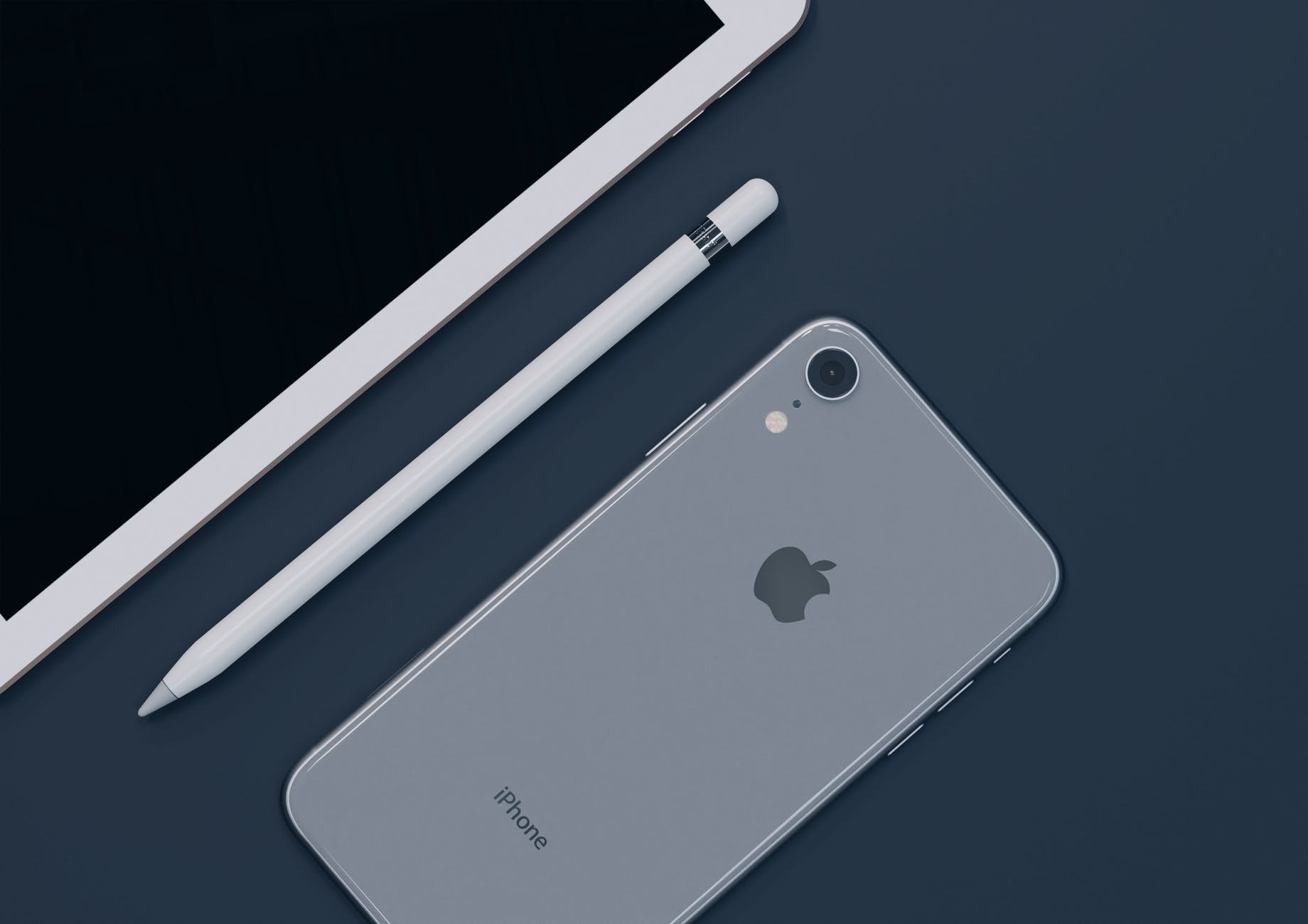
The Internet of Things leads to a shift in the role between physical objects and humans. What was once a key dominance of humans over objects has now shifted as objects have more power over humans. This is seen through the key dynamics of data that objects take, a simple calendar can now become digital and absorb all the data that the human embeds. Instead of humans using objects, objects use humans to redefine and reshape the power dynamic as well as consume the data that the human has leaked from the Internet of Things. Ultimately, this shows the power of the Internet and how simple objects act as the main front runner of data collection.
Future implications of the Internet of Things are that human-to-human interface will become thing to thing interface in a movement called M2M. Every object will have a way to connect, whether this is connected on the Internet or not. Not only will this challenge the way in which people live, as the Internet of Things consumes more data, but it will change the way in which the world operates.
Technology will become so absorbed in our life, that is currently is, that in the future it will no longer be seen what even technology is or not. As commodities and objects become tangible objects, the actual presence of things will disappear as a world will continue to shift to online parameters. M. Weiser predicted this in the late 1980s, that technology will be a part of the background life, however this has become apparent with a huge twist. Now, objects become the background of life as the Internet of Things absorbs objects and makes it its own. Objects will become online footprints and continue to absorb data. Credit cards, vouchers and money are all online pieces of data that were 20 years ago, all on paper. The future will make all these types of objects become stronger and more influential as connected objects will become tangible. This will remove all previous facets of paper and handheld objects and turn everything into one place as the ‘data being’ that is being created continues to grow and elevate.
Conclusively, the Internet of Things came into play in 1999 as a term to attract new technology. This term has grown and developed into an eruption of data in which, objects and data corroborate to create control of humans through the Internet. The Internet of Things has a semantic value for humans through clouds and context. The Internet of Things continue to show a different power dynamic between objects and humans. All these key features will be fundamental for the future implications of the Internet of Things. Interface will change and technology will become absorbed into life that all tangible objects will move to a technology-based system. The Future Networks and corroboration with the Internet of Things is a key phenomenon which will continue to be present in the future as well as in the present as data continues to expand and the foundations of the Internet continue to be built based on technological advancements.
1003 WORDS.
Bibliography
Bleecker, J, 1993,Why Things Matter: A Manifesto For Object Networks.
Dua, N, White iPhone XR, Pexels, viewed 20th October 2021, pexels.com/photo/white-iphone-xr-3586249/.
Grabowska, K, Photo of Toothpaste on Toothbrush, Pexels, viewed 20th October 2021, pexels.com/photo/photo-of-toothpaste-on-toothbrush-4202927/
K, Ashton, 2010, That ‘Internet of Things’ Thing, RFID Journal.
K, L, Lueth, IOT Analytics, 2014, Why it is called Internet of Things: Definition, history, disambiguation, viewed 20th October 2021, https://iot-analytics.com/internet-of-things-definition/
Mitew, T, 2014, Do objects dream of an Internet of things?, The Fibreculture Journal, viewed on 20th October 2021, https://twentythree.fibreculturejournal.org/fcj-168-do-objects-dream-of-an-internet-of-things/
Mitew, T, video recording, 2020, The internet of things: from networked objects to anticipatory spaces.
Tan, L, Wang, N, 2010, Future internet: The Internet of Things, IEEE.
 Mavro Productions